Production Models

Flexible Structure, Clear Scope & Responsibility

Every brand has different production expectations. We shape our models around them and define scope, responsibility and decision points from the first step.

Production Models
Scroll Down
Strategic Choice

Three Distinct Production Routes

When working with a manufacturer, the real question is not what they produce but under what production model and framework. Denim Moon defines speed, control and responsibility upfront to structure the right route for your brand.

Private Label Production

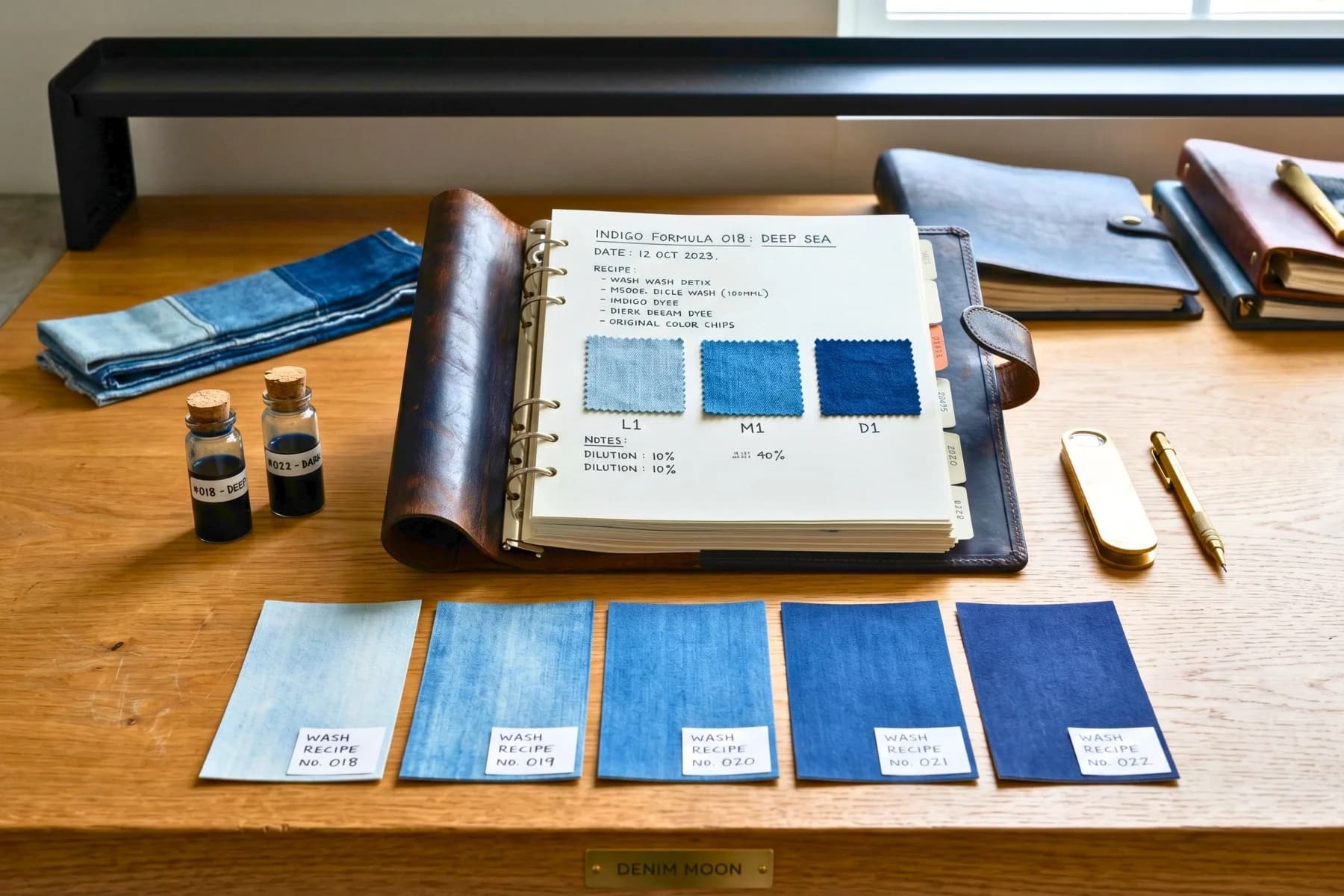
You select a model from the Denim Moon catalog, which skips the entire pattern development cycle. Wash and color decisions follow our approved recipe library; you define and customize brand components such as labels, trims and packaging.

Raw material sourcing is Denim Moon's responsibility; the brand focuses on collection decisions and end-product quality, not production load.

CMT — Cut, Make, Trim

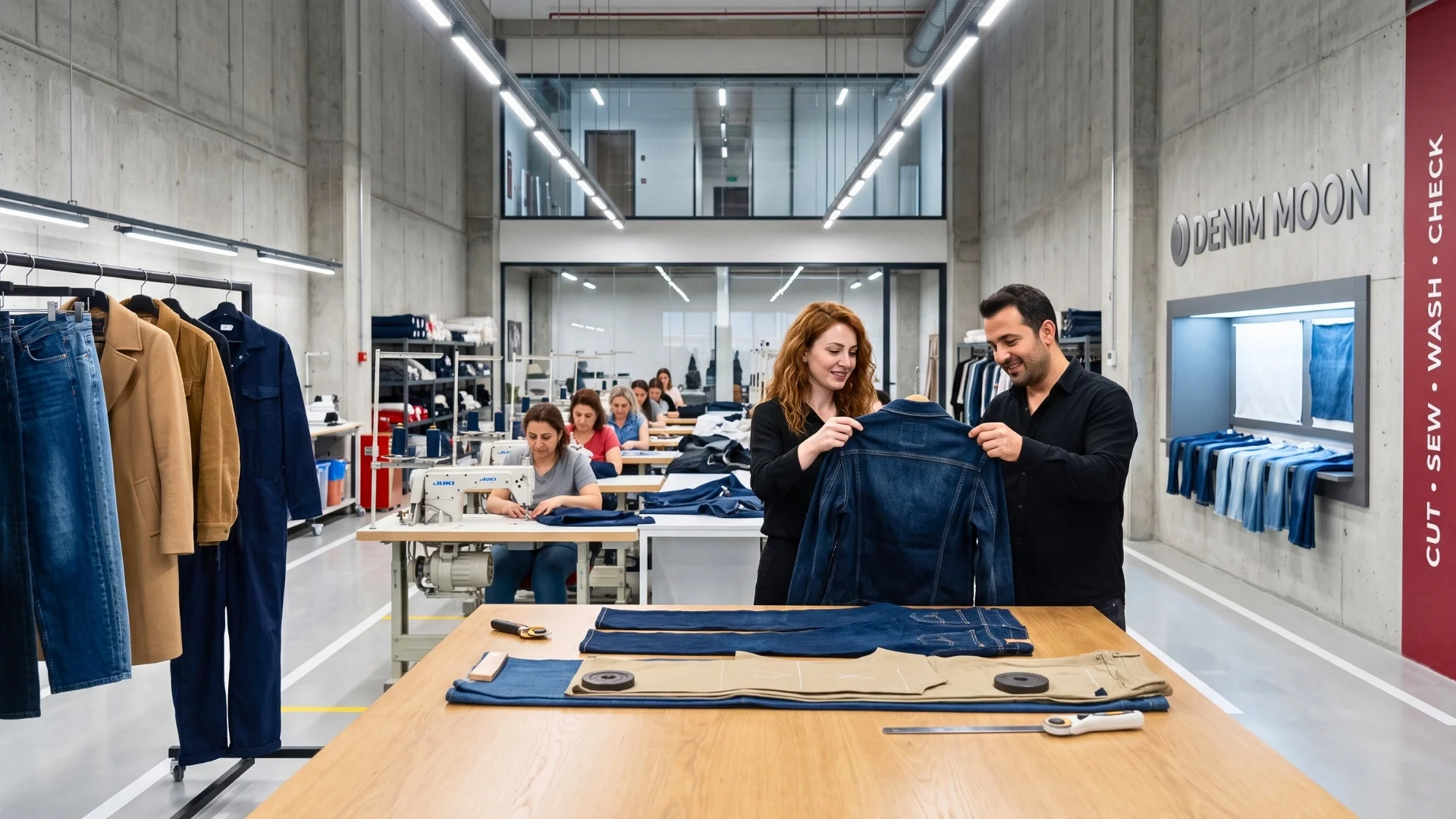
The brand manages fabric, trim and raw material sourcing while cutting, sewing and assembly operations run at Denim Moon facilities. The cost structure covers only labor and production; raw material responsibility stays with the brand.

If you want to keep supply chain control in your hands, this model defines responsibility boundaries and cost structure within a clear framework from day one.

Full Package — End-to-End Production

From fabric sourcing to packaging, the entire production process runs under one roof; scope, responsibility and approval map are defined upfront. Critical decisions flow through a single point of contact and every change is formally tracked.

If your operations team is lean and you want to run the entire process through one partner, this is the most efficient and least ambiguous framework.

Decision Criteria

Priority Defines the Model

Choosing the right production model is a balance of speed, control, resource allocation and risk. Denim Moon evaluates these priorities across six critical axes based on your brand's operational reality and defines the framework together.

Fast Launch

Speed to Market

Your collection calendar and launch targets directly define the speed axis of the production model. Denim Moon shortens development with approved recipes and ready patterns, structuring a rhythm fully aligned with your launch goals.

Your Decision

Control Depth

From fabric selection to trim details, from label placement to packaging format, you set the depth of control yourself. Denim Moon configures the model to match your oversight and provides approval points at every single production stage.

Clear Ownership

Resource Allocation

Which processes the brand handles and which the manufacturer runs are defined upfront, before production starts. Denim Moon maps resource allocation with a clear responsibility framework and makes workload visible on both sides of the table.

Predefined Framework

Risk Management

Ambiguous areas are operationally narrowed before production begins; the impact of scope changes on cost and timeline is made fully visible. Denim Moon predefines potential deviations to minimize in-process surprises along the way.

Repeatable Model

Scalable Consistency

The selected model must sustain the same quality and consistency from the very first order to all repeat orders. Denim Moon builds a repeatable structure that maintains its standards as your production scale grows over time and volume.

Visible Process

Operational Transparency

Every stage of the production process must be trackable and reportable on a structured infrastructure. Denim Moon provides proactive updates on progress, decision points and deviations, managing all communication through a single line.

Ready Framework

Private Label Production Flow

Private label builds brand identity on a ready product base. The standard stays intact and brand components flow through one pipeline without drift. The full cycle closes from a single point while communication history stays safe.

Catalog Selection

Catalog Selection

Selection runs from the existing product catalog and the pattern development phase is completely skipped. The ready base removes technical barriers at the entry of production. Technical file load drops and the first sample window shortens clearly. The chosen product flows as a single reference; the process stays predictable, simple and trackable.

Ready Base
Approved Recipe

Approved Recipe

Color and wash preferences are called from previously approved recipes and applied right away in the production flow. This discipline lowers trial counts, reduces tonal risk and delivers consistent output across all four seasons. The approved library produces repeatable quality results; closed decisions are recorded at a single central point.

Repeatable Quality
Brand Integration

Brand Integration

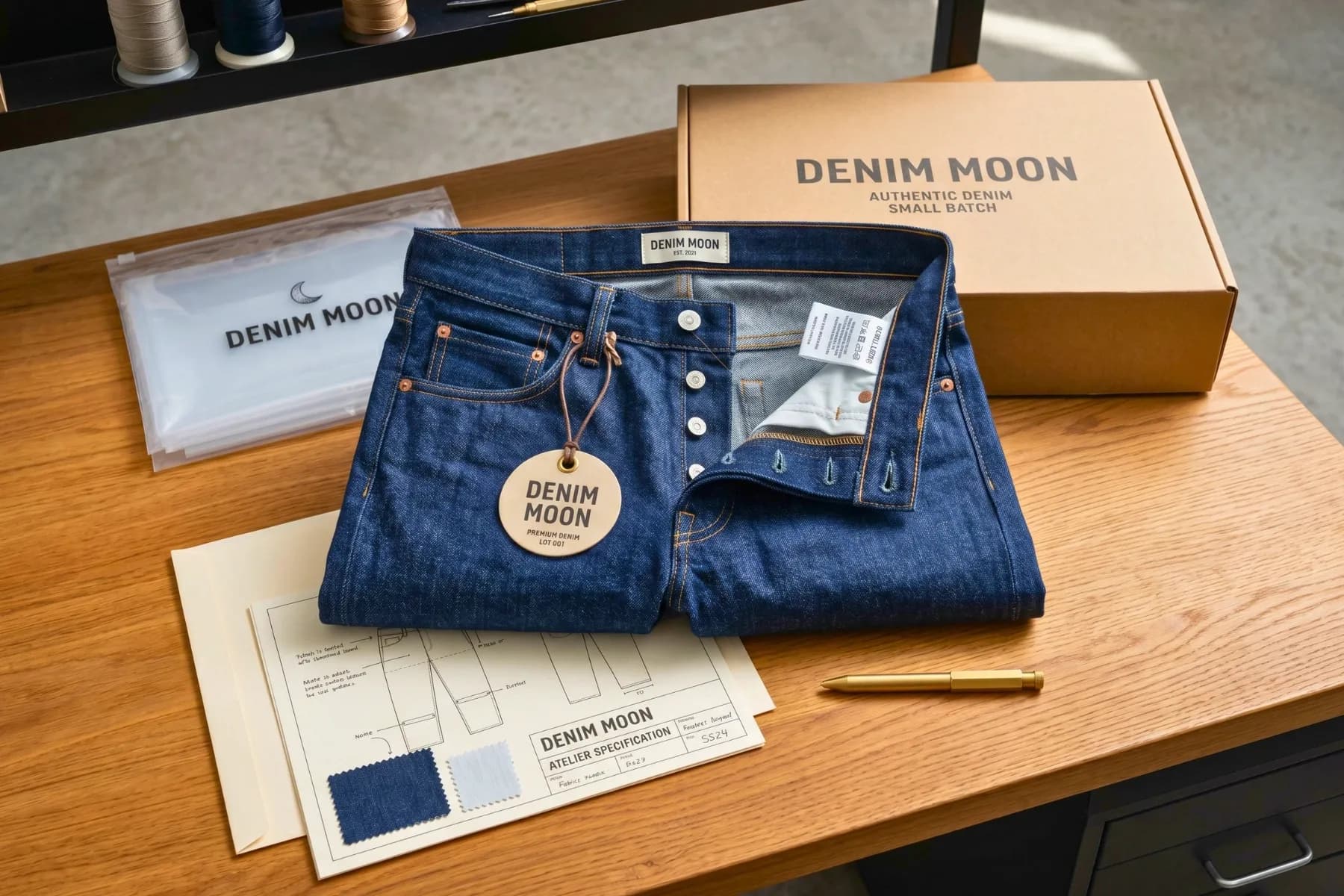
Brand components such as labels, hangtags and packaging are integrated one by one against the full brand definition. Visual identity stays fully consistent on the product at every stage and is checked at defined verification points. Packaging format ships ready for the retail channel. Every component is verified through a single specification file.

Consistent Identity
Logged Revision

Logged Revision

Changes flow through a logged revision logic; last-minute additions are minimized in a clear and measurable way. Every request runs under a version number, with cost and deadline impact visible at once. Backward traceability is straightforward and previous versions are archived. Decision authority stays at a single point and leaves no gray area.

Controlled Change
Producer Load

Producer Load

The operational load stays largely with the producer; a minimum level of technical know-how is sufficient on the brand side every day. Entry barriers for new brands drop in a clear and measurable way. Capacity planning, quality control and logistics coordination run within the producer; technical complexity does not pass to the brand side.

Low Load
Short Lead Time

Short Lead Time

Because pattern development and recipe trials are skipped, the total production lead time shortens in a clear and measurable way. Meeting the season launch becomes easier and the campaign plan stays intact. Orders flowing through the ready product line lock to the brand calendar, with mid-cycle revision risks reduced at the production end.

Quick Delivery
Clear Boundaries

Cut, Make, Trim Model

In the CMT model the boundary of "who supplies what" is drawn up front and put on record. Raw materials stay with the brand while production runs at the producer. Correct role distribution gives a firm base for teams holding the control.

Material Responsibility

Material Responsibility

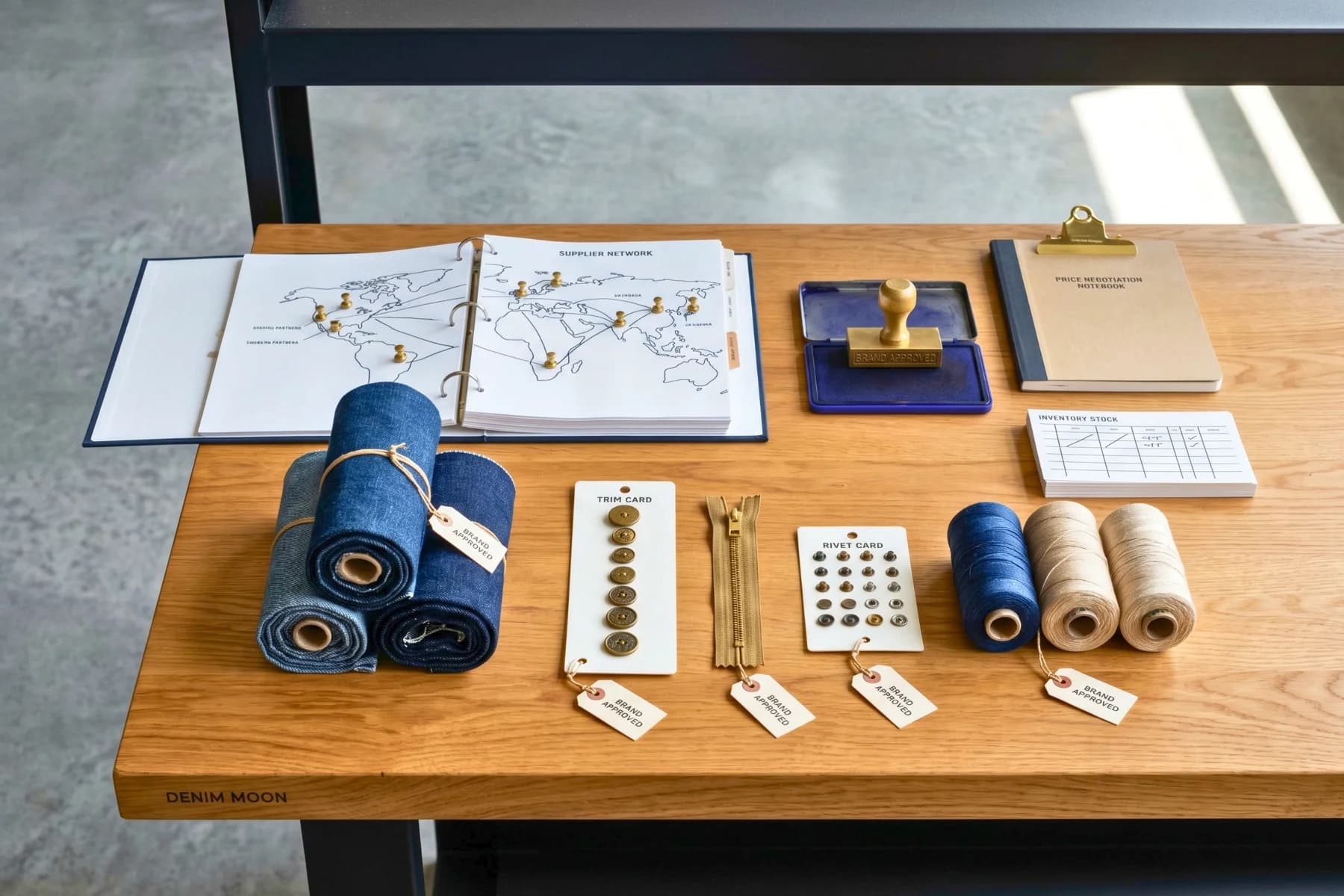
The brand manages fabric and trim sourcing through its own supplier network from a single hand. The producer carries no raw material responsibility and only processes approved inputs. Sourcing decisions, price negotiation and stock management stay entirely with the brand. Material freedom forms the operational foundation of brand control.

Brand Control
Labor Capacity

Labor Capacity

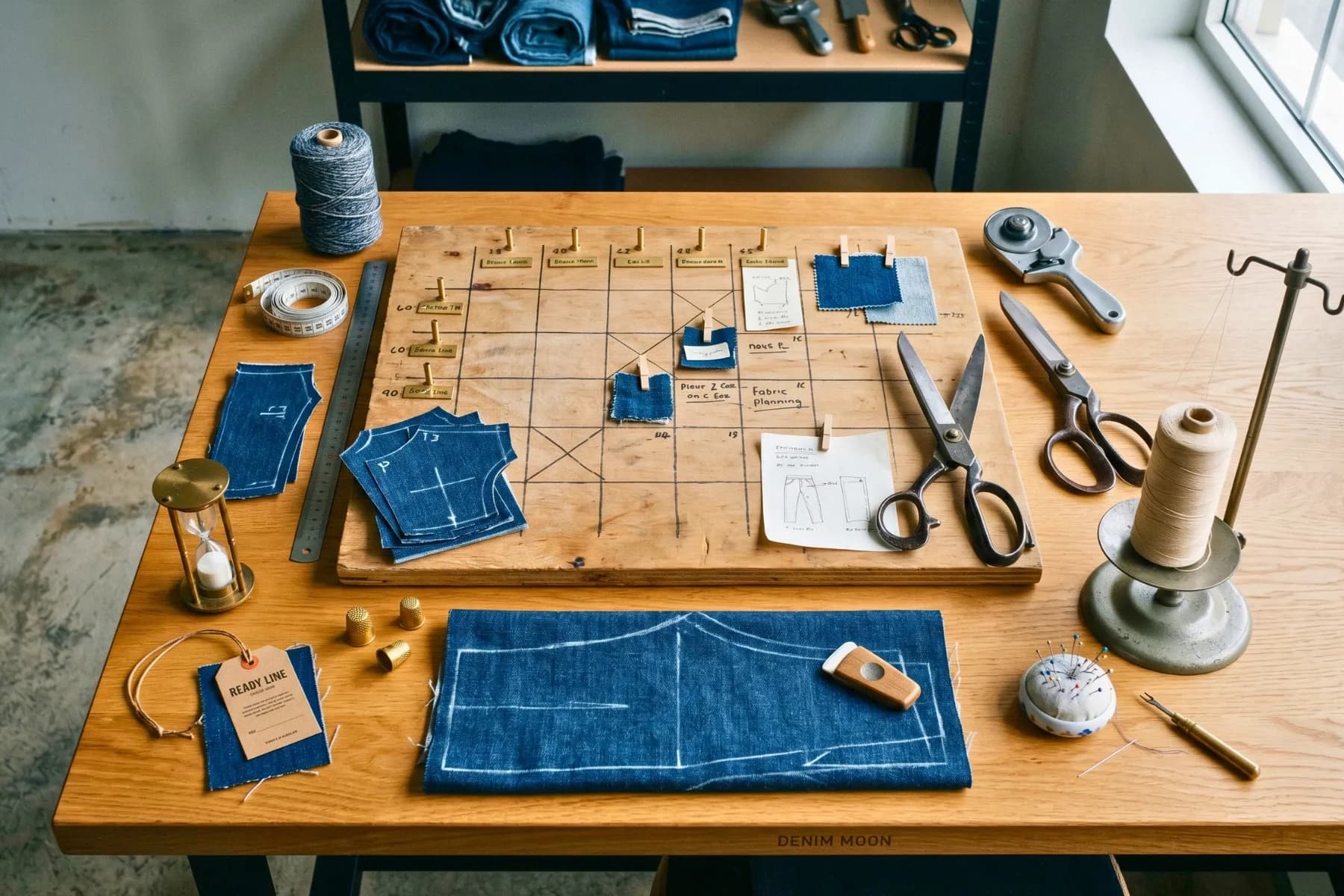
Cutting, sewing and assembly operations run inside the producer's capacity in a steady and controlled rhythm on the production floor every working day. Line planning stays balanced against order volume and is regularly updated for seasonal peaks. Operator skill is matched to product type; complex models receive a dedicated line for full focus.

Ready Line
Transparent Cost

Transparent Cost

The cost structure covers only labor and the production process itself; each line item is broken down openly one by one for review. Raw material cost sits on the brand side and is tracked on a separate ledger system. No hidden items appear; once the quote is approved, price brings no surprise additions and the brand fully controls its budget.

Open Books
Scope Change

Scope Change

In case of any scope change, the impact on cost and deadline is made fully visible from the very first minute on both sides. The change request is documented in a written form, tied to formal approval, and its impact on the line plan is calculated right at once. The brand sees the expansion benefit and operational impact in one shared table.

Visible Impact
Single Reference

Single Reference

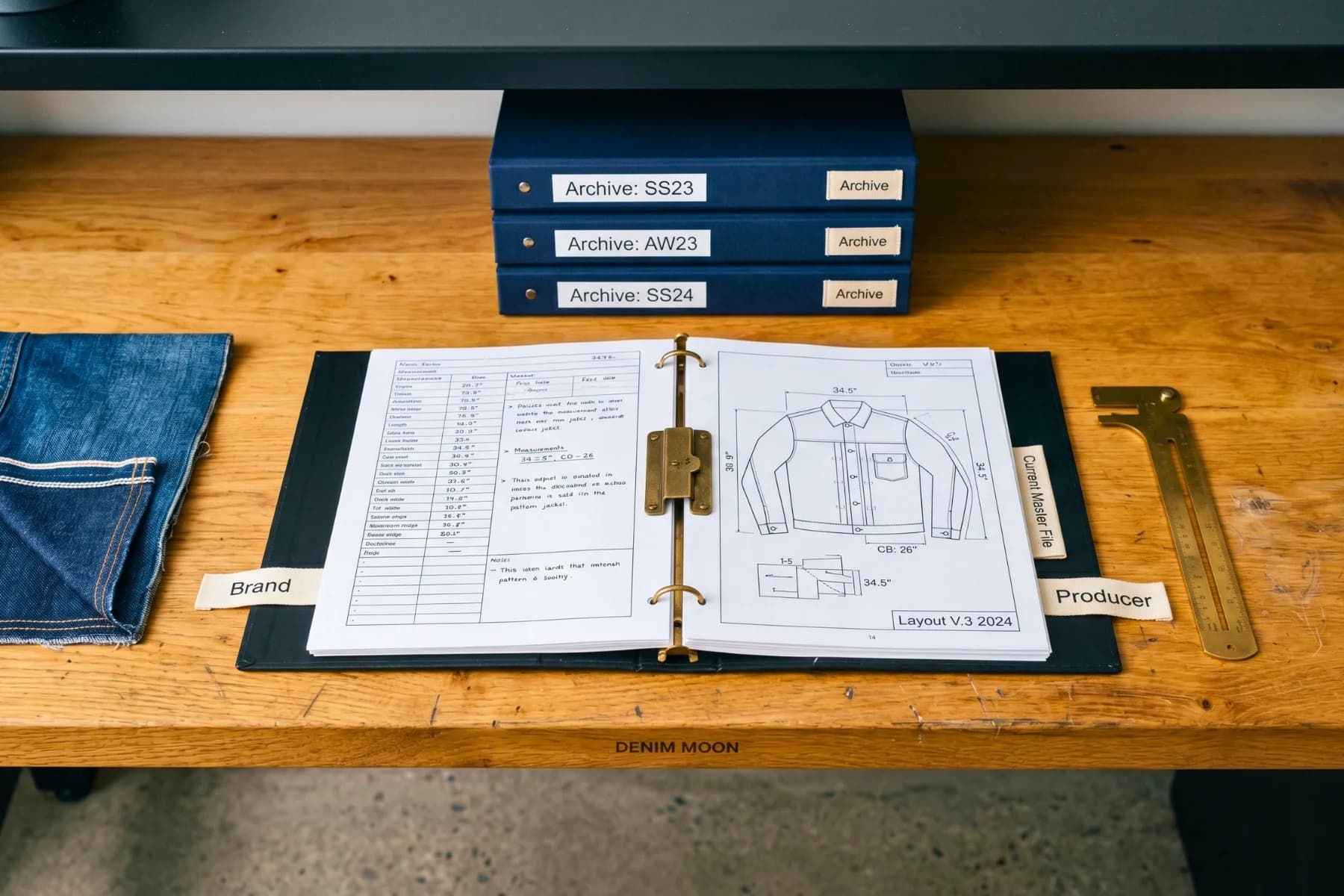
Current measurements, patterns and application decisions are held in one single reference source at the center, securely and continuously over time. Old versions are moved to the archive and production proceeds only with the current file. Wrong-version risk disappears; both sides work from the same record and operational error margin nears zero.

One Source
Role Distribution

Role Distribution

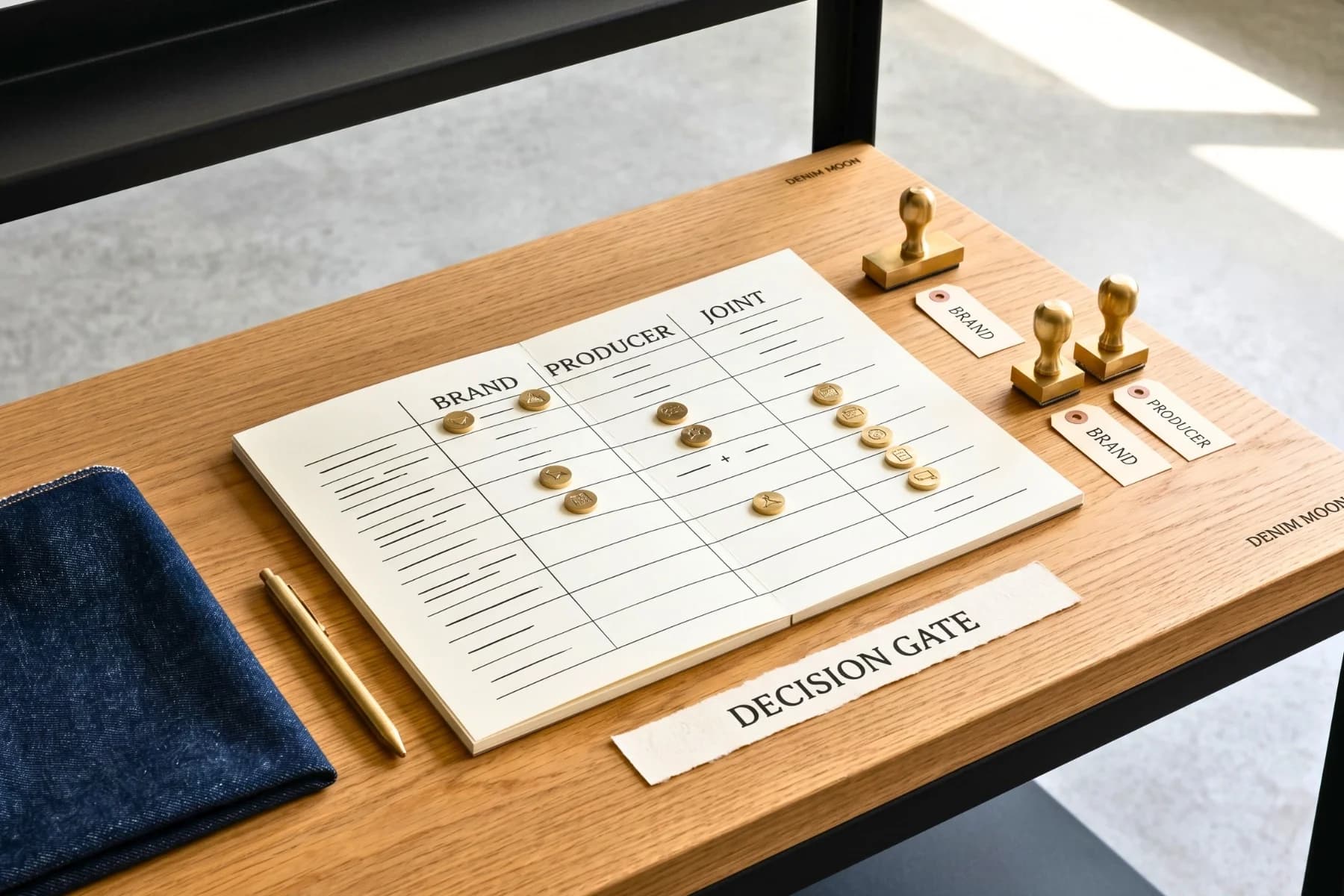
The responsibility map is written up front and every step has a clearly set owner with no overlap or gap on the production floor. Decision gates, approval windows and escalation paths are all defined together at the very start of the run. Brand and producer move into one shared rhythm; friction points are removed before operations launch.

Clear Owner
Turnkey Scope

Full Package Production Framework

The full package model is an end-to-end framework that reduces the operational load on the brand side. Turnkey scope does not mean ambiguity; responsibility and the approval map are set up front. The brand monitors flow from a single point.

Scope Definition

Scope Definition

Which steps the producer will execute is defined from the very beginning and locked into a written contract document. Sourcing, sampling, production and delivery stages are listed one by one in the scope file with no grey area. Each stakeholder sees their lane clearly; expectations are closed on day one and friction does not surface later.

Clear Scope
Approval Map

Approval Map

Where and how critical decisions will close is set by the approval map and shared with everyone on both teams up front. For every decision point, the responsible party, window and output format are defined clearly in writing. Brand and producer move on the same step list; approval-order ambiguity disappears and decision traffic stays fluid.

Clear Gate
Component Alignment

Component Alignment

The alignment between brand components and the delivery format is preserved under one roof in a central and steady way. Fabric, trim, label and packaging are all verified against one specification set in a single place. Component drift and tonal mismatch are caught at one central point; only consistent output reaches the production line.

Unified Roof
Logged Progress

Logged Progress

All changes move with a complete log and feedback stays fully trackable at every single stage of the project cycle from start to finish. Every revision is documented in writing with a version number, responsible name and approval date. No knowledge is lost; backward queries return without waiting time and audit cycles run faster on both sides.

Traceable Flow
Single Contact

Single Contact

The single contact advantage reduces communication surprises in a clear and measurable way at every stage. The brand speaks with one project owner and the internal work split is handled on the producer side. Multi-channel complexity disappears; information is gathered on one line and decision time shortens significantly across the project.

One Door
Delivery Format

Delivery Format

The delivery format is set up front based on the target market and the sales channel, agreed by all parties and then contractually locked. Carton label, barcode layout and pack scheme are adapted to the buyer standard. Post-shipment returns and repacking workload are removed entirely; products leave the line shelf-ready for the destination.

Ready Shipment
Brief-to-Product

Collection Development Support

A translation layer always sits between the brief and mass production. Converting the creative goal into a producible definition without losing intent and closing decisions early is the core approach. The brand sees clearly what it signs off.

Brief Intake
01

Brief Intake

The brand brief is received together with the mood board, reference visuals, target price range and the season calendar. Creative direction and commercial targets merge in one single file. The technical team runs a first read for producibility and flags any missing parameters. The brief is logged and used as the single reference point throughout.

Producibility Framing
02

Producibility Framing

Risk points surface early and fabric plus pattern suggestions take shape against the target structure. Denim weight, stretch ratio and wash compatibility are written into the technical file. The feasibility report is prepared in a comparative format against the brief and shared with decision-makers. Non-viable details are documented with alternatives.

Material Development
03

Material Development

Lab dip color samples and wash tests start from the approved recipe library. Fabric selection is narrowed down by weight, hand-feel and stretch parameters, and price range fit is verified. The trim and supporting material list is linked to the product card. Tonal risk is brought under control and the approval record is archived for season reference.

Sampling Approval
04

Sampling Approval

Proto sample, fit sample and size set stages run in a clear sequential order. Every sample stage passes through a written approval gate and takes the output of the previous step as its reference. Measurement chart and pattern verification are tracked on one single file. The buyer side evaluates the product physically; all feedback is logged.

Decision Closure
05

Decision Closure

Written approval logic is applied on critical details and decision processes are closed in a clear way. Color, pattern, wash and trim decisions are collected in one single approval matrix. Any open decision item blocks the transition to the production order. Approval history stays traceable through the project and is archived as a future reference.

Reference Lock
06

Reference Lock

The product card (style sheet) is locked and distributed as the technical reference document for the production process. All approved parameters merge in one single file and are fixed with a version number. No instruction reaches the production line outside the locked reference. Any change request requires a new version and the previous record is preserved.

Operation Standard

Brand Components Management

If labels, trims and packaging are not defined correctly, delivery quality falls apart even when production quality is good. This section is not brand romance but operation standard; every component is managed and audited from one file.

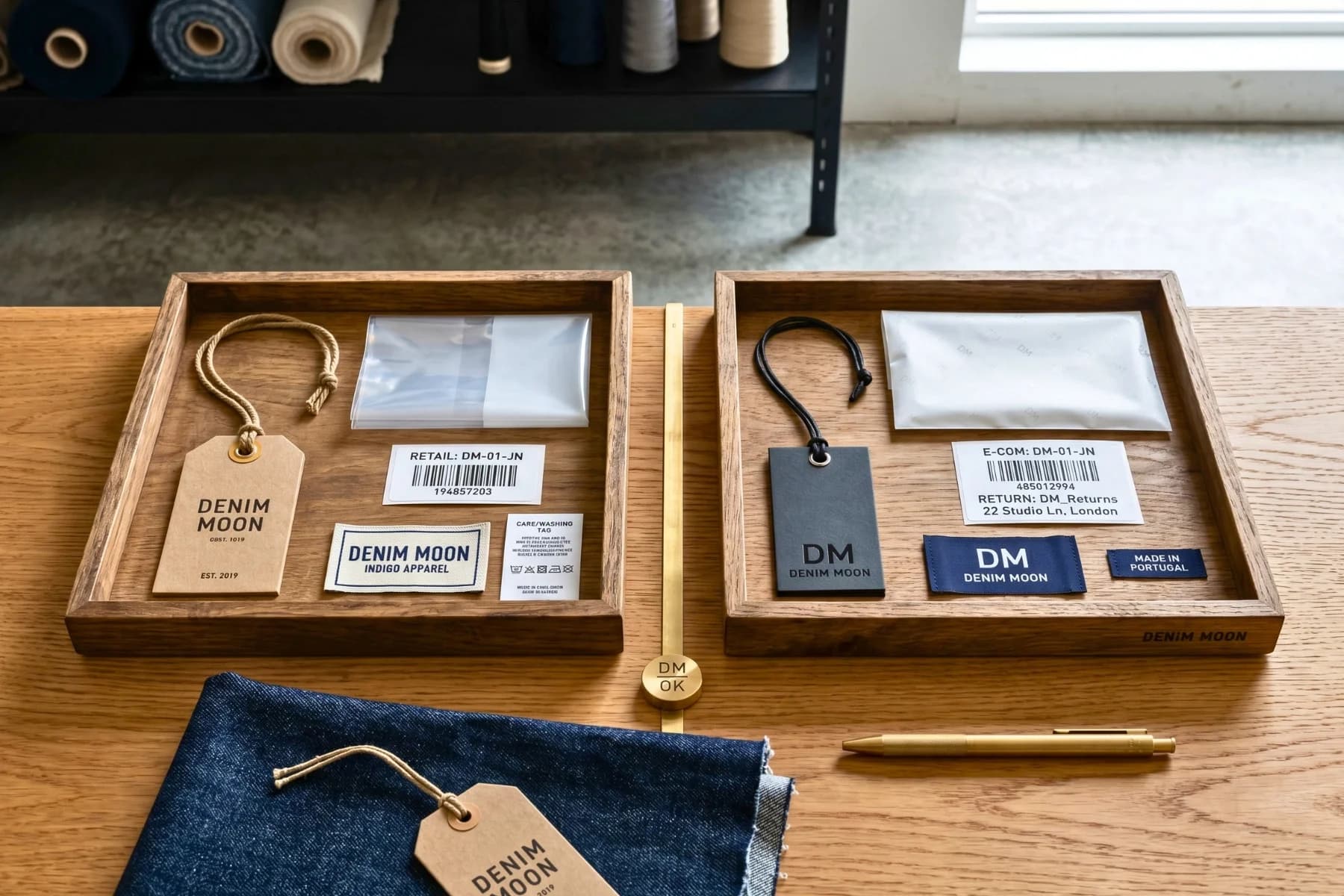
Label Standard

Label Management

Content, layout and format standard for main label, care label, price and hang tag is defined in one single file. Each label type is prepared based on the legal requirements of the target market and compliance records are archived.

Trim Quality

Trim Management

Buttons, rivets, zippers and prints are sourced to the brand standard and integrated directly into the production line. Supplier approval, color match and durability testing are tracked end to end in one single quality file continuously.

Pack Format

Packaging Management

Bag type, carton size, units per carton and channel-based presentation are defined in a repeatable format. Packaging schemes for retail and e-commerce channels are set separately, locked in the contract and applied throughout the run.

Parallel Track

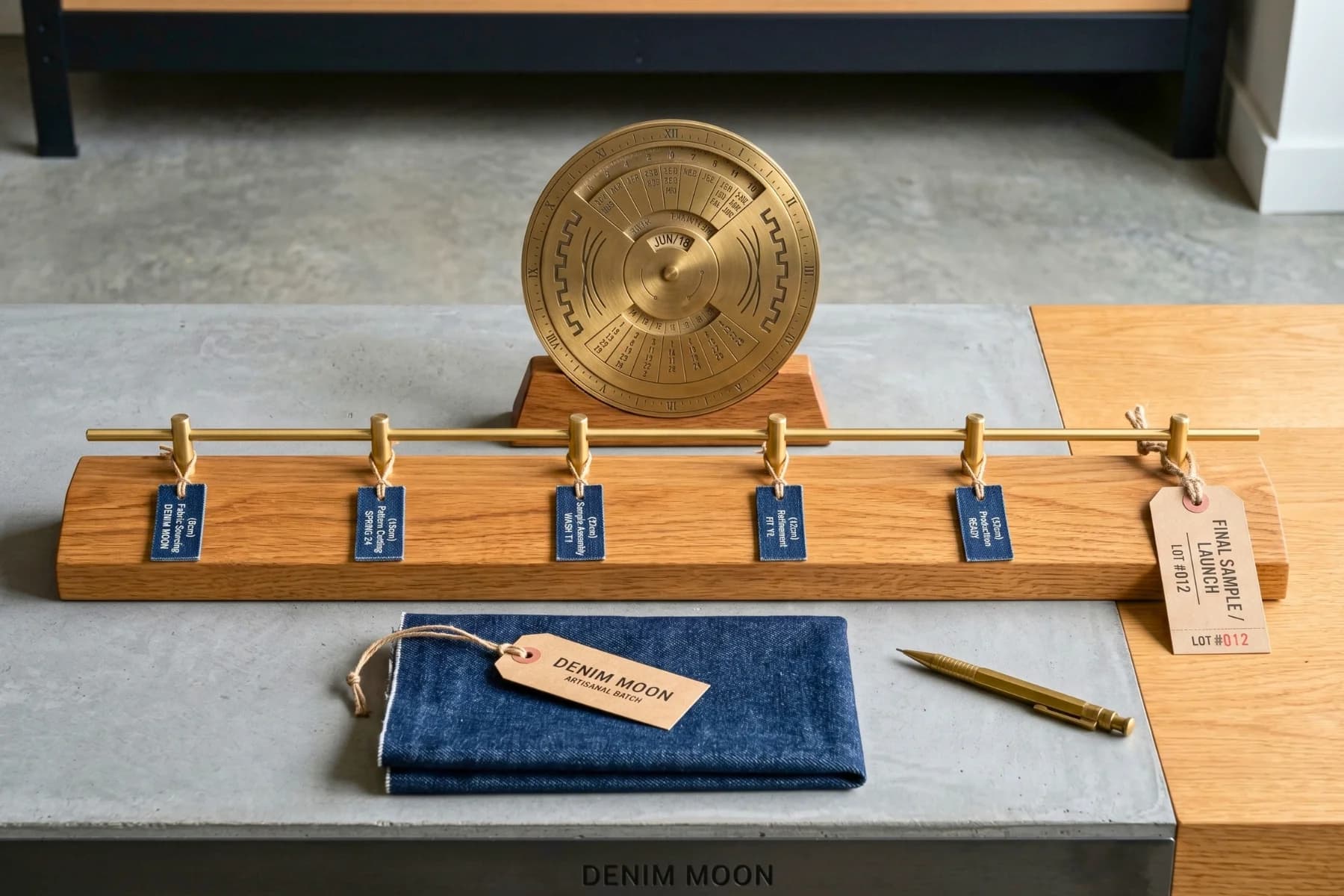
Supply Calendar

The component supply calendar runs in parallel so it does not fall behind the mass production timeline. Critical component delivery dates are tied to the production plan and delay risk surfaces early; alternative source map is prepared.

Version Control

Change Control

The cost and timeline impact of last-minute component changes is managed through version control. Every change is tied to a written approval; the previous version stays in the archive as a reference and backward traceability is straightforward.

Accept Criteria

Quality Threshold

Acceptance criteria, tolerance range and test method for every component are defined up front. AQL level, color deviation limit and durability parameters are held in one reference file and measured by sampling at every batch entry.

Control Gate

Approval Discipline Management

Approval discipline is the framework where production flow becomes binding. Decision points are written; every revision is tied to a version. Authority is clear, deviation rules are set, and the full history is filed for repeat orders.

Authority Gate

Decision Points

Every stage from brief to shipment is tied to a specific approval gate. Lab dip, fit sample, PP sample and gold seal are signed off one by one. Both buyer and contractor know who is authorised at each point; verbal sign-off is closed.

Revision Trail

Version Control

Every tech pack, BOM and fit comment is given its own version number. When a revision request arrives, the previous file is archived and a new one opens with date, author and reason. Which version went into production is never in doubt.

Signature Log

Approval Logic

Approval only counts when it carries an email or system-based signature. Phone, verbal or hallway sign-off is not accepted. Each signature shows who signed, when, and against which file in writing; accountability never sits in a grey zone.

Tolerance Limit

Deviation Management

A measure, colour or method that drifts from the expected value is logged as a deviation. Tolerance limit, acceptance criteria and corrective action sit on the same form. Root cause is tracked on a separate line to prevent recurrence.

Ready File

Repeat Order Readiness

The tech pack, gold seal and approval log built on the first order are kept ready for the next one. Only size break or shade is updated on a new batch; the master measurement set stays untouched. Buyers do not restart from zero each time.

Time Gate

Approval Window

Each approval step carries a defined time window. Two days for lab dip, three days for PP sample, and so on. An SLA-based overrun is flagged automatically and the slip is redrawn with the buyer before it touches the production calendar.

Model Selection

Initial Input Process

Selecting the right production model requires the right inputs, not perfect files. In the first meeting we clarify the target channel, product scope and time frame, then define the most suitable production framework on these outputs.

Target & Channel
01

Target & Channel

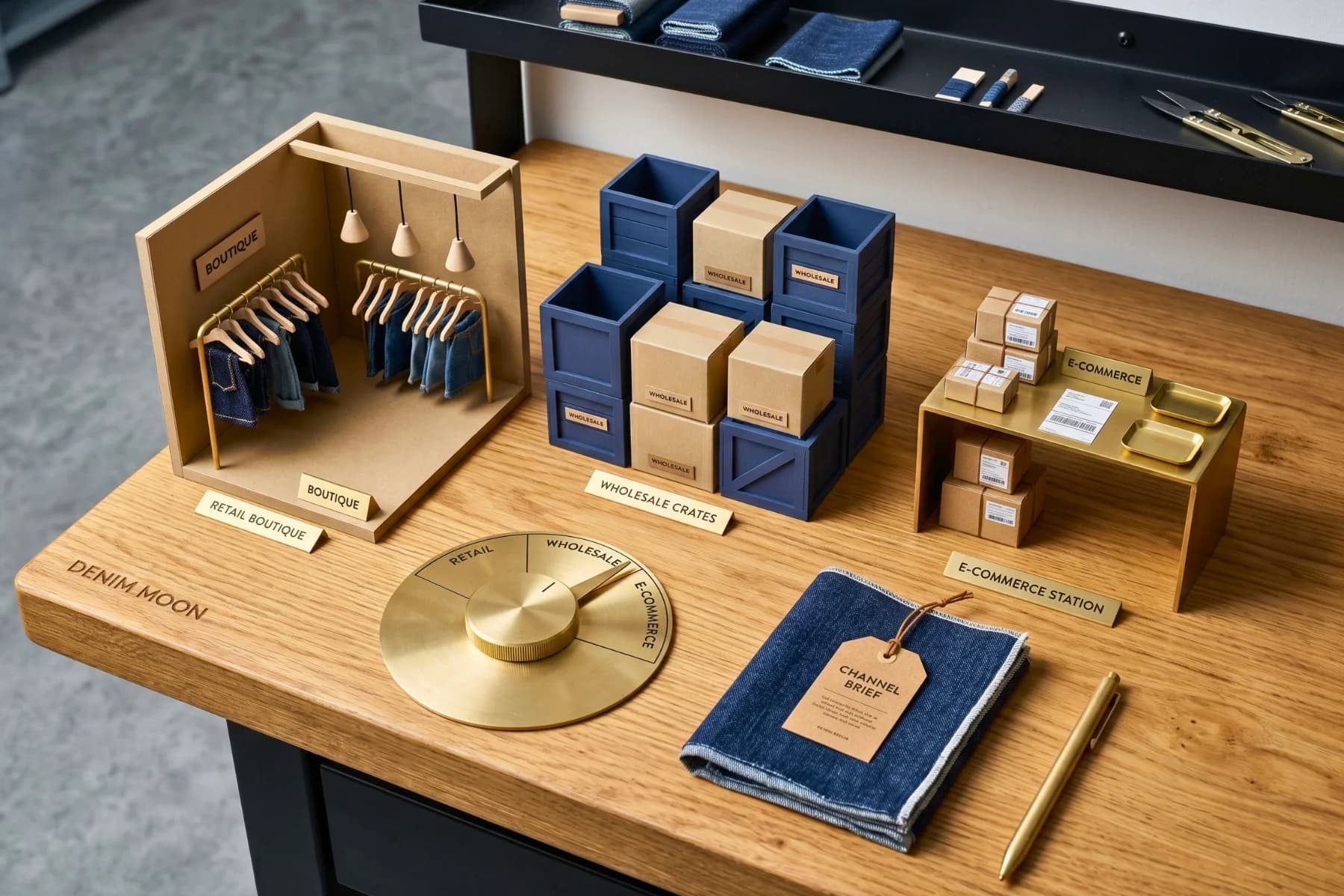
Sales model, collection rhythm and delivery format are set in the first meeting. Whether the brand targets retail, wholesale or e-commerce shapes the production framework directly. Channel choice also pre-locks the MOQ band, size break and label setup at this stage; any channel added later is opened on a separate revision line, not folded in.

Product Scope
02

Product Scope

Product group, variation structure and priority categories are defined here. Sample development or costing does not begin until scope is clear. Style count, fabric lines and trim list are gathered into one written product matrix; any later addition is logged as its own revision, and out-of-scope requests are reflected back to the buyer on the same file.

Reference Files
03

Reference Files

Brief, visuals, sample products or existing tech packs are gathered in one pool. When a reference is missing the gaps are identified in the meeting and a completion schedule is set. Tech packs, fit comments and benchmark files are versioned in the same folder; an old reference moves to archive once the new one arrives, and version history stays visible.

Brand Components
04

Brand Components

Label, trim, packaging needs and channel distinction are clarified at this stage. Each component is matched with its supplier and approval flow; the change window stays open until the order. Care label, country of origin and barcode format are split by destination market; polybag print and hanger pack are each tracked under separate files.

Time Window
05

Time Window

Launch target and critical dates are planned backward from delivery. Separate milestones are set for sample approval, material sourcing and shipment; the calendar is shared with all parties at once. Lab dip, fit sample and PP sample windows are placed in weekly resolution against the season start; holiday and trade fair dates are visible upfront.

Decision Map
06

Decision Map

Approval points, communication lines and version discipline are mapped on one chart. Who approves what and when is clarified before the project starts; ambiguity does not reach the production line. Decision authority is shared in writing between buyer, agency and contractor; the sign-off order sits on a single page as a live document throughout.

Concrete Output

What the First Meeting Delivers

A meeting is not a Q&A for us, but the fastest way to draw a frame around the production model. In thirty minutes scope, model and calendar are matched; a written proposal and a numerical cost band reach you right afterwards.

Thirty Minutes

Model Frame in One Meeting

Which production model fits your needs is clarified in a thirty-minute meeting. Scope, MOQ band and seasonal calendar are matched in the same call. By the end of the meeting it is clear whether Private Label, CMT or Full Package will start.

Two Business Days

Written Model & Cost Frame

Within two business days of the meeting a written model proposal and a numerical cost band reach you. The document covers production model, MOQ, material estimate and rough timeline. You receive a clean file to comment on, not a verbal sign-off.

Fixed Contact

Single Project Owner

From the first meeting to shipment the whole process runs through a single project manager. Brief, costing, sampling and shipping questions all reach you from the same person. The team handles internal coordination on your behalf, not the buyer.

Right Match

Plan Your Production Model Meeting

Let us define your production model on speed, control, operational load and sustainable reorder logic. In the first meeting we clarify the scope, MOQ band and the right starting scenario; a written model proposal reaches you afterwards.

Our Order Volume & Minimums

Review our flexible MOQ policy and commercial scale options shaped by different partner profiles and order sizes.

View Scale Options
Denim Moon © 2026 · Powered by Dimotihe